
929 Number Lookup: Check Any 929 Number
Got a call from a 929 number and wondering who it is? Here is how to check any 929 number: what you can find for free, how to spot spam, and which lookup methods to avoid.
What Can a 929 Lookup Tell You?
A 929 number lookup can reveal:
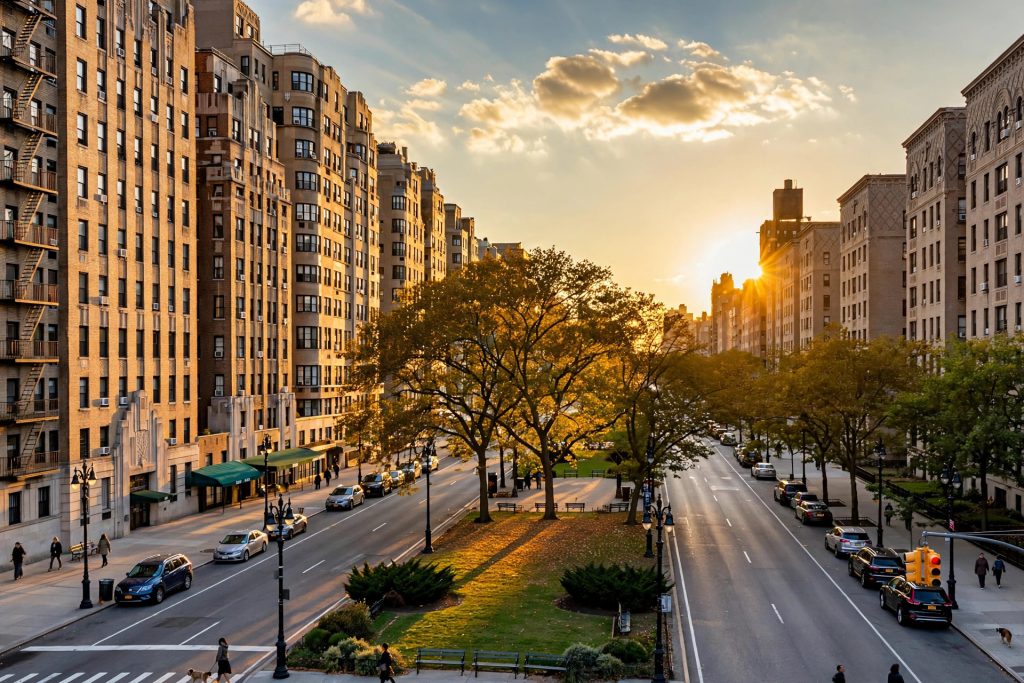
- Location: The number is from New York City’s outer boroughs (Brooklyn, Queens, Bronx or Staten Island). Because 929 is an overlay, the specific borough cannot be determined from the area code alone.
- Line type: Whether it is a mobile, landline or VoIP number (some lookup tools show this).
- Carrier: Which phone company originally issued the number (less useful now that numbers can be ported between carriers).
- Spam reputation: Whether other people have reported the number as spam or scam.
Free Ways to Check a 929 Number
1. Search the Number on Google
Put the full 10-digit number in quotes: “929-555-0147”. If it is a business, scam operation, or widely-reported spam number, results often appear. This is the fastest free check and catches a surprising number of spam operations.
2. Check Your Phone’s Built-in Spam Detection
Modern iPhones and Android phones consult carrier spam databases automatically. If your phone labels the call “Spam Likely” or “Scam Likely,” trust it. This uses the STIR/SHAKEN authentication framework plus crowd-sourced reports.
3. Use a Reputable Reverse-Lookup Site
Sites like Truecaller, Hiya, and the carrier lookup tools aggregate user spam reports. They can tell you if a 929 number has been flagged by hundreds of other recipients. Treat their “owner name” claims skeptically, but their spam scores are useful.
4. Check the FTC and FCC Complaint Databases
For numbers tied to ongoing scams, the FTC’s and FCC’s public enforcement actions sometimes name them. This is more useful for verifying a known scam than identifying a new caller.
How to Tell If a 929 Call Is Spam
You often do not need a lookup at all. These are the red flags:
- Robocall voice: A recorded message, or a long pause before a human speaks (predictive dialer).
- Urgency + threats: “Your Social Security number will be suspended” or “pay now or be arrested.” Real agencies do not operate this way.
- Requests for payment by gift card, wire or crypto: Always a scam. No legitimate organization demands these.
- Asking for OTPs or passwords: Your bank will never ask for your one-time code on an incoming call.
- Too-good offers: “You won a prize” or “free medical device” from a number you do not recognize.
The Neighbor Spoofing Trick
Scammers deliberately spoof numbers with your area code (or a nearby one like 929) because you are more likely to answer a “local” call. This is called neighbor spoofing. The 929 on your screen tells you nothing about where the call actually originates.
Lookup Methods to Avoid
- “Free” sites demanding credit cards: If a lookup site asks for payment details for a “free” report, leave. It is either a subscription trap or a phishing site.
- Calling back unknown numbers: Some scams use premium-rate numbers. Calling back can cost you per minute. Look up first, call back never (unless you verify independently).
- Paying for “owner name” reports: For mobile numbers, these databases are usually stale, wrong, or illegally sourced. Do not pay.
- Downloading random “caller ID” apps: Stick to well-known apps (Truecaller, Hiya, your carrier’s own app). Obscure apps may harvest your contacts.
What To Do Instead
- Do not answer unknown 929 numbers. Let voicemail handle it.
- Google the number in quotes.
- If it is important, they will leave a message or text.
- Report spam to the FTC (reportfraud.ftc.gov) and forward scam texts to 7726.
Frequently Asked Questions
How can I lookup a 929 number for free?
Google the full 10-digit number in quotes, check your phone’s built-in spam labeling, or use reputable apps like Truecaller or Hiya. These free methods reveal spam reputation and sometimes line type and carrier.
Can I find out who owns a 929 number?
Generally no. US mobile numbers are not publicly linked to owner names. Sites claiming otherwise for free are misleading. You can sometimes identify businesses via Google search.
How do I know if a 929 call is spam?
Red flags include robocall voices, threats or urgency, demands for gift card or wire payment, and requests for OTPs or passwords. When in doubt, do not answer and let it go to voicemail.
What is 929 neighbor spoofing?
Scammers fake 929 caller IDs to look local and increase answer rates. The displayed 929 number tells you nothing about the caller’s real location.
Should I call back an unknown 929 number?
No. Look it up first via Google. Some scams use premium-rate callbacks. If it was important, the caller will leave a voicemail.
Where do I report 929 spam calls?
Report to the FTC at reportfraud.ftc.gov and the FCC at fcc.gov/complaints. Forward scam texts to 7726 (SPAM).